SBTI Personality Test: The Viral Meme Quiz from China
Try it now. See why it’s viral.
Welcome to the latest edition of the human catalog: SBTI Test - 32 Personality Types Quiz — built for modern people who are clearly not okay but somehow still holding it together. This test doesn't measure your personality. It decodes the chaos in your brain. Because in this whole mess of a world, psychology still can't explain why you say 'I quit' and then grind until 3 a.m. But SBTI can.
This test does not play nice. It goes straight for the mental fragment you were hoping nobody would notice. Stop overanalyzing yourself for two seconds and let the system slap a label on you instead. Claim your personal internet-coded identity now — next time someone asks what your deal is, just send them the result.
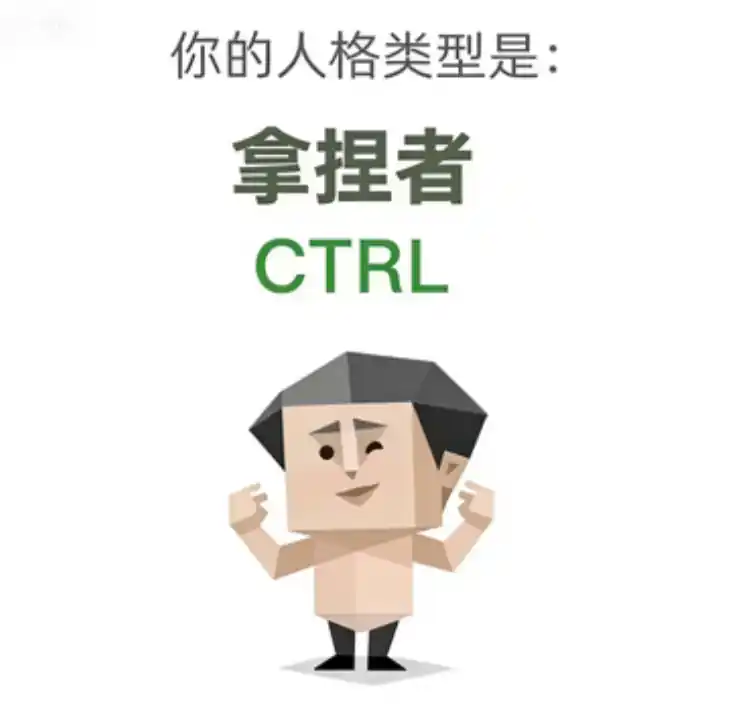
CTRL “The Controller”10000orderly; strategicMy rules are the rules. Yours just haven’t loaded yet.Signature SymbolExcel sheet; still lakeAura ColorPrussian BlueSignature GemstoneSapphireSignature PlantGladiolusThe Controller is the most dependable pillar of order in this chaotic circus. To them, losing control feels like psychological death, and that obsessive need to plan comes from a very real sense of responsibility. They are not trying to control people so much as outrun uncertainty with a fully populated spreadsheet.If you got this type, you turn “maybe” into “definitely.” In an era that worships randomness, your reliability is a luxury. You build shelter with logic, and behind all that precision is a quietly fierce instinct to protect.b2c12ahttps://areal.me/sbti-test/show/1.png
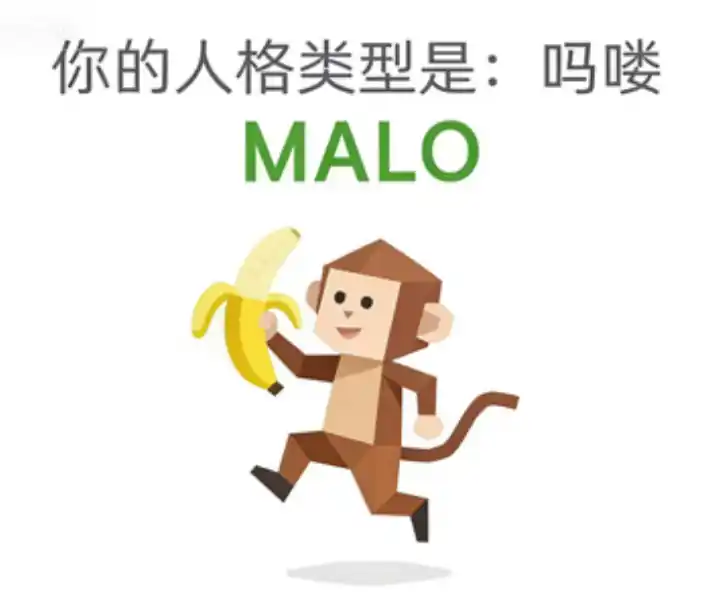
MALO “The Workhorse”00010diligent; resilientLife keeps beating me up, and somehow I came out springier.Signature SymbolCoffee; moonAura ColorCaramelSignature GemstoneGray MoonstoneSignature PlantMossThe Workhorse is a low-power survival expert in the urban jungle. They grind through midnight shifts with tired eyes and a weirdly durable soul, fully aware that corporate fairy tales are fake, yet still willing to chase one more digital banana if that is what it takes to get through the week.If you got this type, you are the backbone of the era. You do not need some giant life mission to keep moving. While other people burn out from overthinking, you find rhythm in the ordinary. Your quiet effort is not tragic. It is strength in its most practical form.d7b81ahttps://areal.me/sbti-test/show/2.png
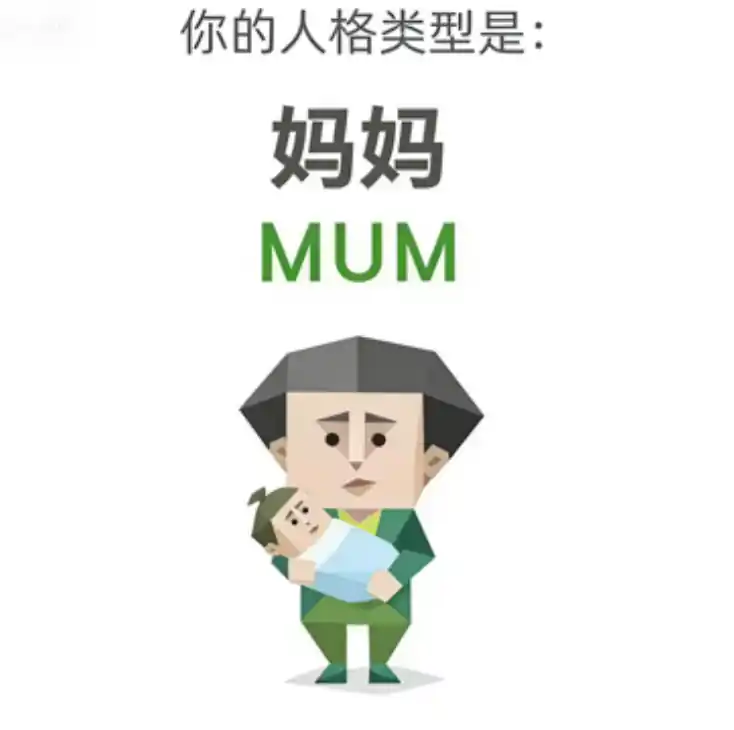
MUM “Cyber Mom”10101deeply caring; tender-heartedHey baby, hungry? Mom’s over here planting digital cilantro for you.Signature SymbolThermos; toastAura ColorOat BeigeSignature GemstoneGiant Clam ShellSignature PlantSunflowerCyber Mom is command-style tenderness in an atomized world. They are the one checking whether everybody got home safely after the gathering and trying to fight the chaos of life by making you sleep earlier, eat on time, and stop spiraling. The nagging is just warmth in practical form.If you got this type, you are a walking heat pack in a cold system. What looks like fussing is actually advanced empathy. You make people feel held together. Just remember that while you are busy mothering the whole world, you are allowed to be cared for too.d8661ahttps://areal.me/sbti-test/show/3.png
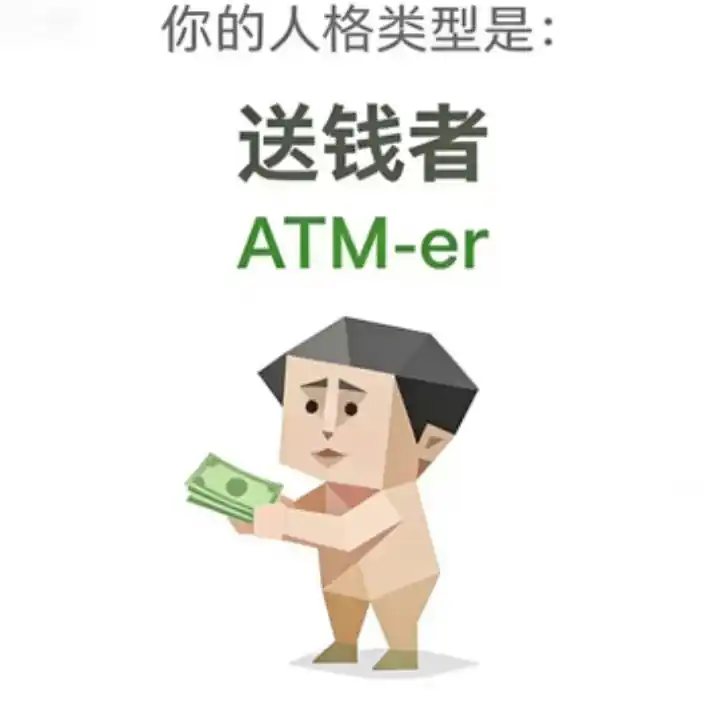
ATM-er “The Human ATM”10100generous; selflessMy money only loved me briefly. Then it went to sleep at someone else’s place.Signature SymbolRed envelope; butterAura ColorGoldSignature GemstoneCitrineSignature PlantCarnationThe Human ATM believes that if money can solve it, then it is not really a problem. Their slightly clumsy generosity comes from how seriously they take loyalty and affection. Sharing resources is their love language, and picking up the bill is how they say, “I’ve got you.”If you got this type, you are an altruist with a full charger pack for everyone else. You are not naive. You just understand that in every relationship, somebody has to go first. In a world obsessed with keeping score, your generosity is a rare kind of courage.db463dhttps://areal.me/sbti-test/show/4.png
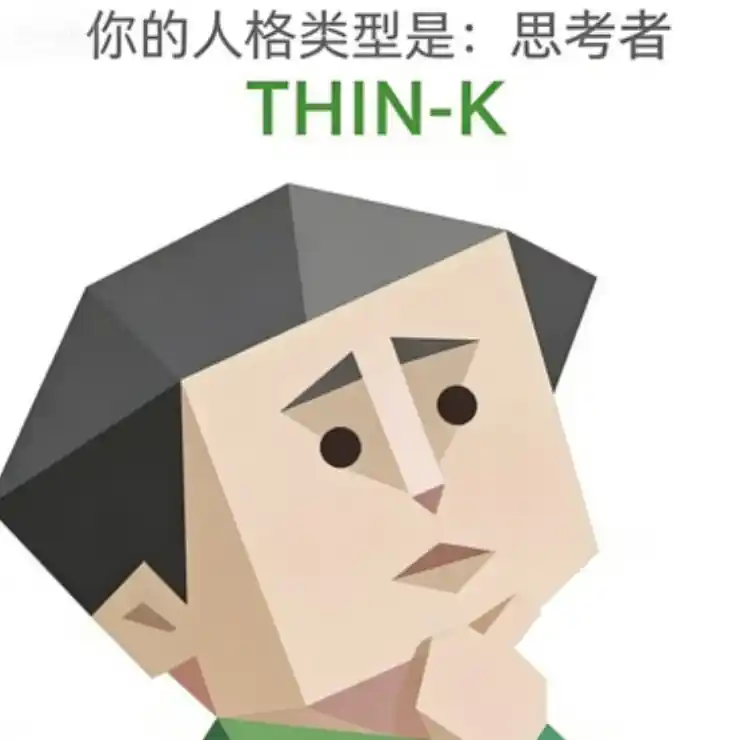
THIN-K “The Thinker”00101thoughtful; level-headedI think, therefore I am. Then I think again and completely freeze.Signature SymbolBlack-rimmed glasses; dry wellAura ColorDeep Sea BlackSignature GemstoneMeteoriteSignature PlantMaidenhair FernThe Thinker is the back-end processing center of the whole system. They strip away emotional haze until everything becomes code, structure, and evidence. They do not pick sides easily, and they are almost impossible to sway with sentiment. To them, truth deserves the bandwidth. Everything else can wait.If you got this type, you are the noise-canceling headphones of a loud world. You are not cold. You just prefer to spend your fire on truth instead of social static. That depth of thought is rare, and people rely on it more than they admit.d45b46https://areal.me/sbti-test/show/5.png
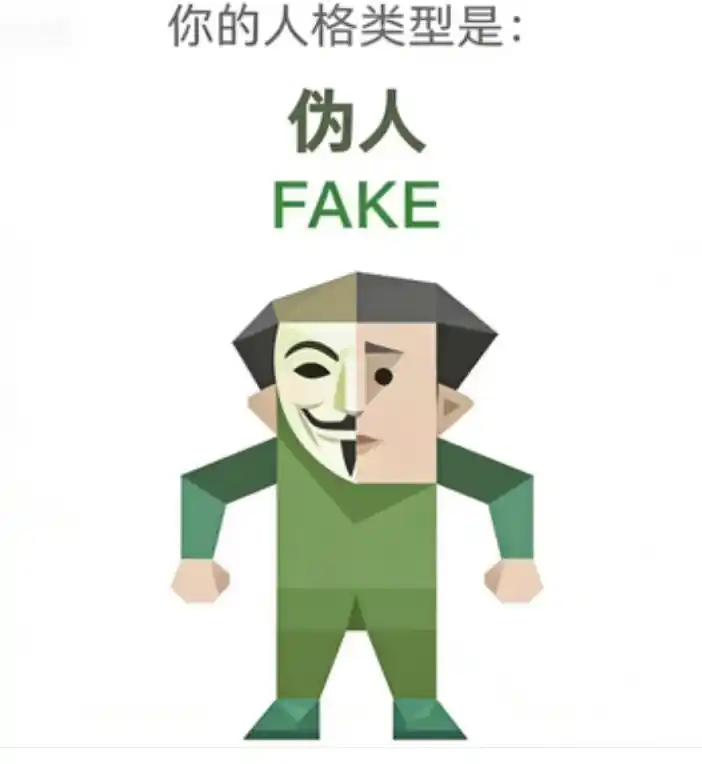
FAKE “The Social Chameleon”01001polished; tactfulI stole the meme, faked the persona, loved you for real — and yes, that line was copy-pasted too.Signature SymbolPaint palette; soap bubbleAura ColorMist GraySignature GemstoneOpalSignature PlantColeusThe Social Chameleon is the ultimate lubricant of civilized interaction. They can read a room with terrifying accuracy and switch masks so smoothly it almost looks effortless. They are not trying to deceive people. They are trying to keep the peace while hiding their own social unease behind a pretty, polished finish.If you got this type, you are a gentle performer in a rough world. You understand how draining social life can be, yet you still spend energy making things feel smooth for everyone else. Just do not forget to leave a blank space where you can stop performing and simply be yourself.d3513dhttps://areal.me/sbti-test/show/6.png
ZQSG “The Real One”11100sincere; emotionally richIn an era when even selfies come with presets, I still choose raw sincerity.Signature SymbolTissue box; tideAura ColorCoral PinkSignature GemstoneRed AgateSignature PlantForget-me-notThe Real One is the tide-maker of the emotional world. They can cry over a touching commercial, get wrecked by a falling leaf, and feel everything with the volume turned all the way up. Sometimes it is a bit much. But that is what honesty looks like when it refuses to shrink.If you got this type, you are one of the last true guardians of feeling. In a time when people are embarrassed to care too much, you still show up with your whole heart. Your emotions are not a flaw. They are proof that your inner life is alive and glowing.b3ae0dhttps://areal.me/sbti-test/show/7.png
NPC “The NPC”00000content with little; easygoingMain quest: stay alive without bothering anybody.Signature SymbolWork badge; dustAura ColorNeutral GraySignature GemstonePebbleSignature PlantFoxtail GrassThe NPC has perfected the art of peaceful obscurity. In any situation that demands attention, they can instantly turn into immaculate background texture. It is not that they lack ability. They have just seen through the exhaustion hiding behind grand ambition and decided the corner of the starter village is actually pretty nice.If you got this type, you are a quietly liberated observer. Your philosophy is basically: if I look useless enough, no one can weaponize me. That is not cowardice. That is advanced discernment. You keep your energy for sunsets, small joys, and a life that actually feels livable.ed6f00https://areal.me/sbti-test/show/8.png
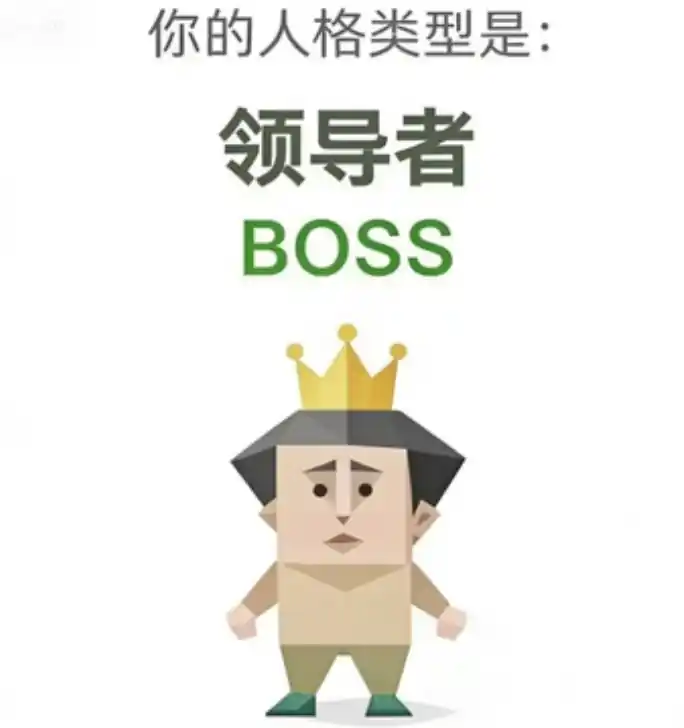
BOSS “The Boss”11001commanding; capableI’m very democratic. Your opinion is welcome as long as it matches mine exactly.Signature SymbolScepter; stormAura ColorObsidian BlackSignature GemstoneBlack DiamondSignature PlantKing ProteaThe Boss is the center of gravity in any room. They move fast, hate rambling, and can shut down a mess with one sentence and a look. In a crisis, they instinctively step forward, cut through the noise, and make the hard call. They do not need to be liked. They need results.If you got this type, you were built for high-stakes moments. Your certainty becomes everyone else’s north star when things start shaking. Yes, that comes with loneliness. But it also comes with the power to turn possibility into reality.db8f34https://areal.me/sbti-test/show/9.png
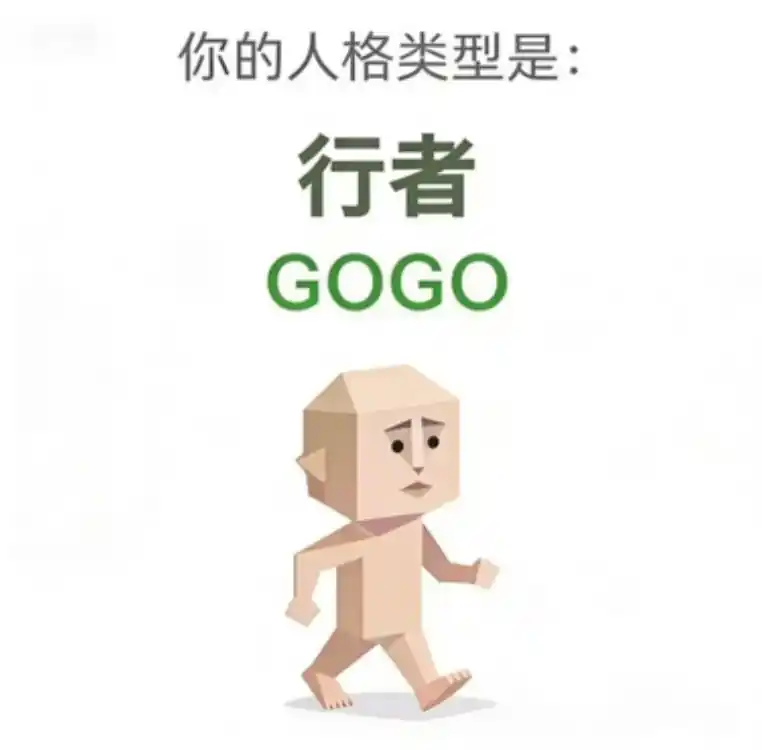
GOGO “The Go-Getter”10001fast-moving; drivenBrain: ready. Body: 6.Signature SymbolRunning shoes; lightningAura ColorRacing OrangeSignature GemstoneSpinelSignature PlantTrumpet VineThe Go-Getter has exactly one speed, and it is forward. They would rather sprint into the unknown than spend three days making a perfect plan. Their mind and body run almost in sync, like a taillight slicing through the dark. The logic is simple: if I move fast enough, bad luck and emotional drag cannot catch me.If you got this type, you are a born breaker of inertia. Hesitation feels like wasting life, so you outrun fear with motion. That all-in execution is one of your greatest strengths. The world usually belongs to the people who move first, and you know it.d5b62fhttps://areal.me/sbti-test/show/10.png
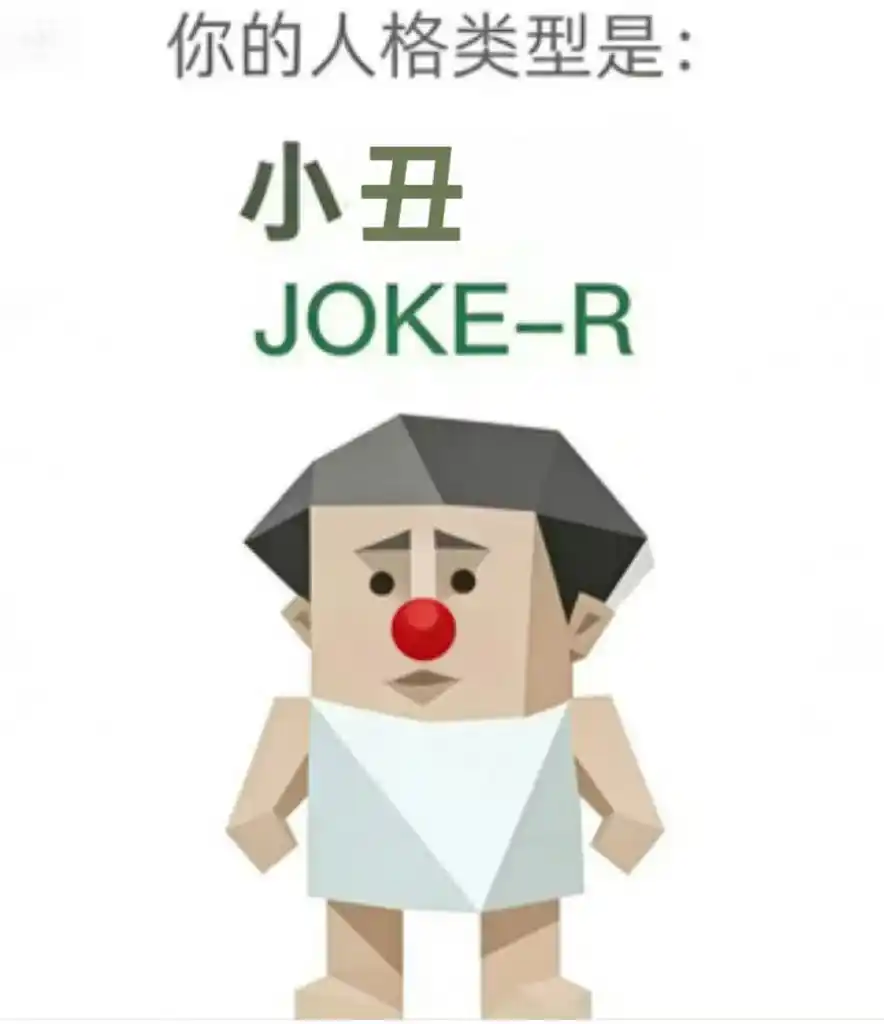
JOKE-R “The Clown”11010witty; perceptiveBy the time the spotlight hits me, I’ve already put the nose on.Signature SymbolFace paint; broken mirrorAura ColorNeon PurpleSignature GemstoneSugiliteSignature PlantDaturaThe Clown is a top-tier deconstructor of absurd reality. They see straight through the world’s fake seriousness and decide the funniest option is to turn themselves into the punchline first. They are the meme god of the group chat, the one dropping cursed jokes at exactly the wrong moment and somehow saving the vibe anyway.If you got this type, you carry one of humanity’s highest forms of humor. Your jokes are not shallow. They are survival. You laugh with the lights on while staring directly at the darkness, and that weird brilliance has healed more people than you know.a5b21bhttps://areal.me/sbti-test/show/11.png
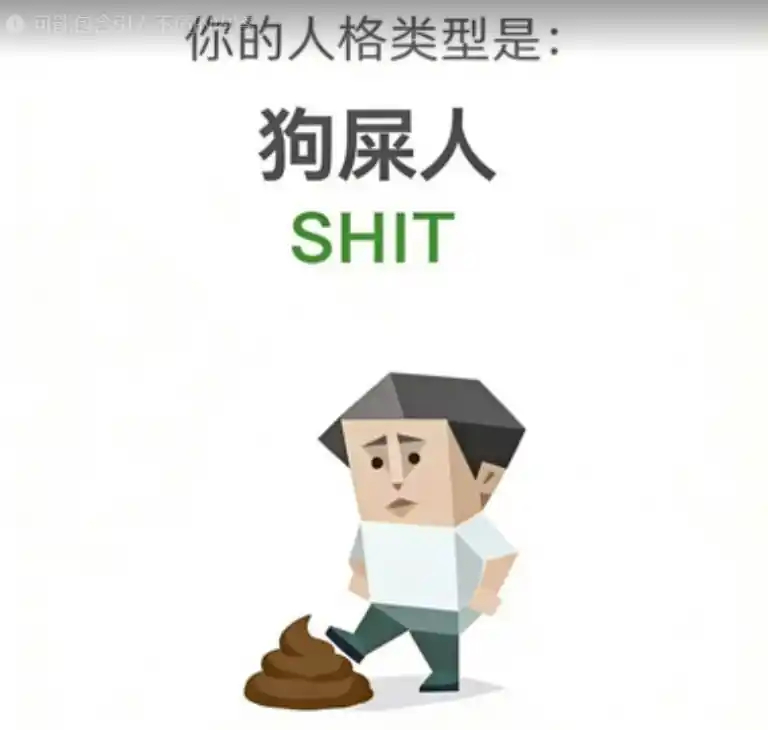
SHIT “The Rage Battery”01000high-energy; bluntSome people run on love. I run the whole grid on resentment.Signature SymbolPressure gauge; lavaAura ColorLava RedSignature GemstoneFire AgateSignature PlantCactusThe Rage Battery is a pressure cooker that never quite cools down. They talk straight, react fast, and have a near-allergic response to hypocrisy, incompetence, and needless stalling. They are not scheming. They are erupting. The heat is real, loud, and weirdly honest.If you got this type, your anger comes from a heart that cannot tolerate nonsense. Under the sharp edges is a refusal to go numb or fake nice just to make other people comfortable. In a slippery, performative world, your blunt sincerity is its own kind of moral force.a7b320https://areal.me/sbti-test/show/12.png
YYDS “The GOAT”01101iconic; unstoppablePeople climbing the mountain don’t get to laugh at a god on the way down.Signature SymbolSpotlight; sunset glowAura ColorSoft OrangeSignature GemstoneGoldSignature PlantMarigoldThe GOAT moves through life with a built-in halo. Whether it is a work crisis, a social plan, or something fun on the fly, they somehow deliver with casual perfection. They do not chase the spotlight. The spotlight finds them. Excellence is not a mood for them. It is a baseline.If you got this type, you are a benchmark people quietly measure themselves against. Your confidence is backed by competence, and that is why it lands. Do not dim yourself just because someone else feels insecure in the glow. Some people were born to be the standard.d67f1dhttps://areal.me/sbti-test/show/13.png
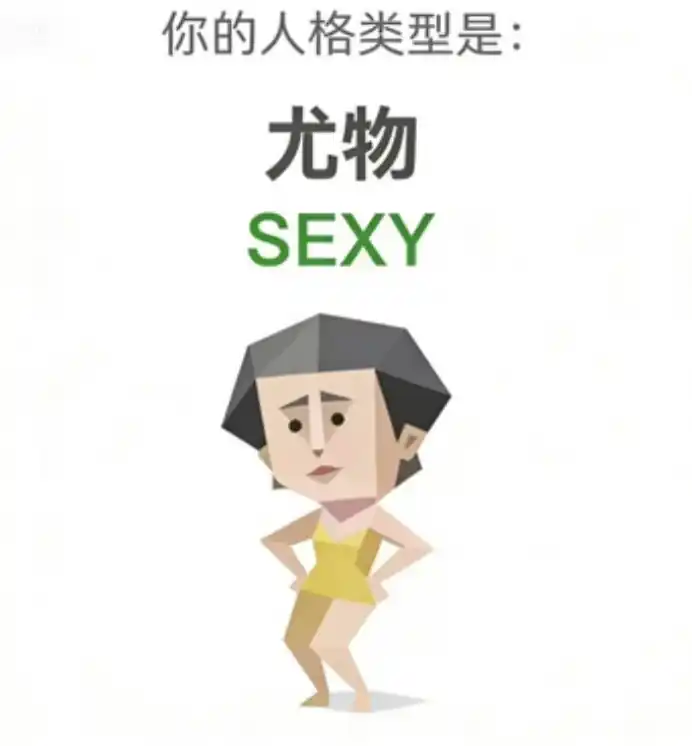
SEXY “The Heartstopper”10011magnetic; radiantThis cursed charisma — even the mosquitoes only bite me.Signature SymbolPerfume bottle; liquorAura ColorFlame RedSignature GemstoneRubySignature PlantRed RoseThe Heartstopper is physical presence turned into a life form. They wear confidence like expensive perfume. Their features do not even have to be technically perfect. The pull comes from vitality, body awareness, and the kind of self-possession that makes logic short-circuit in nearby people.If you got this type, you are living proof that confidence is the highest form of sex appeal. You do not just fit into an aesthetic. You define one. In an anxious world, your unapologetic glow feels almost rebellious, and that is exactly why it works.9cb618https://areal.me/sbti-test/show/14.png
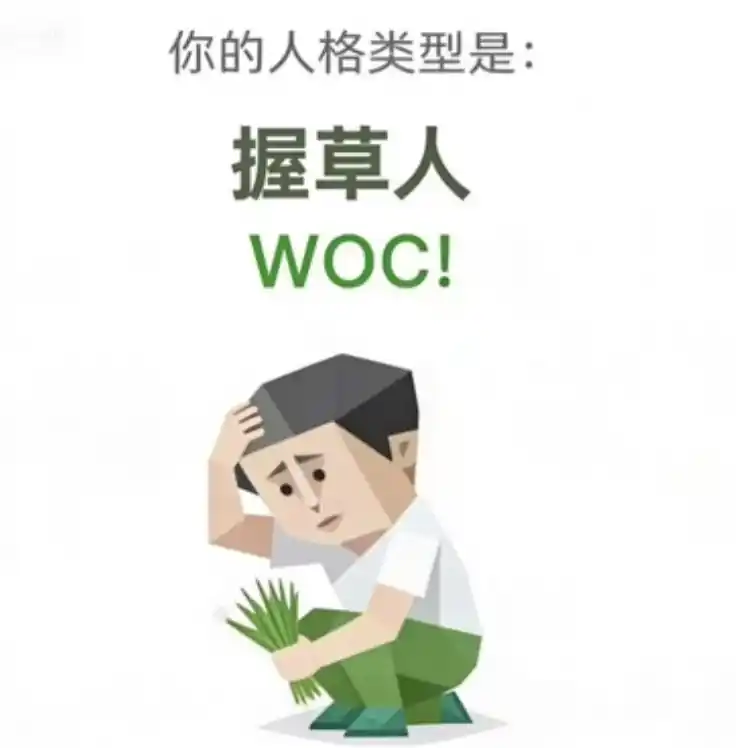
WOC! “The OMG Machine”10110quick-reacting; candidMy vocabulary isn’t huge, but it covers at least 80% of human shock.Signature SymbolMegaphone; dandelionAura ColorNeon YellowSignature GemstoneFluoriteSignature PlantPopcorn GrassThere is no filter between this person’s brain and vocal cords. Life hits them like a nonstop chain of plot twists, and they respond in the loudest, most delightfully unprocessed way possible. Their feelings pop like popcorn: fast, hot, and impossible to miss.If you got this type, you still have a wonderfully un-dulled heart. Your loud surprise is not immaturity. It is proof that wonder still lands. In a world full of fake composure, your honesty makes everything feel more alive.b75555https://areal.me/sbti-test/show/15.png
FREE “I’m Free”11111detached; free-spiritedEver since my nerves got weird, I’ve been in amazing spirits.Signature SymbolScissors; featherAura ColorPure WhiteSignature GemstoneIcy JadeSignature PlantIris“I’m Free” is what happens when a soul grants itself full amnesty. They are no longer held down by social gravity, unread messages, or performance metrics. If they do not reply, it may simply be because watching clouds matters more right now. They have quietly resigned from the rat race in their own mind.If you got this type, you are a spiritually awakened observer of the universe. While other people are stacking buffs and stressing over KPIs, you are subtracting weight from your life. You are hard to pin down because you stopped letting the world define your value for you.ceab2chttps://areal.me/sbti-test/show/16.png
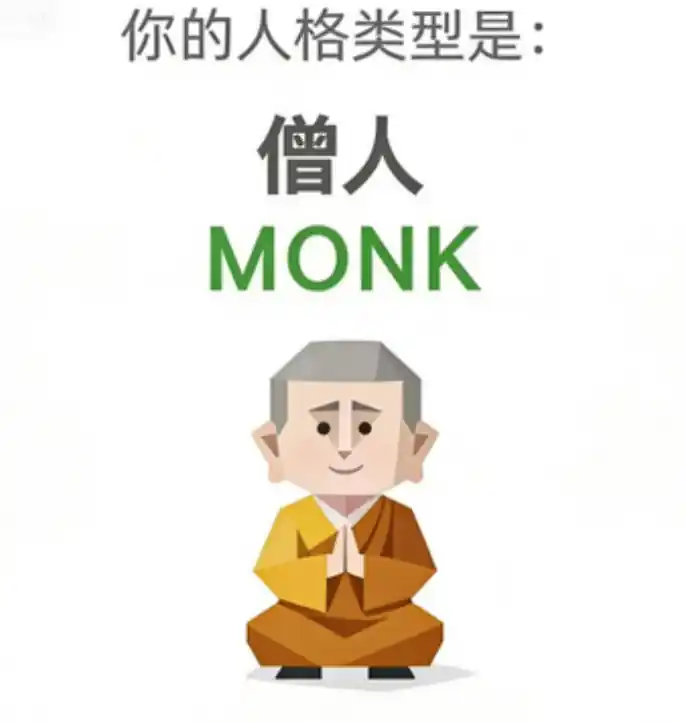
MONK “The Monk”01011serene; low-desireTap the digital wooden fish, meet the mech Buddha, earn cyber merit.Signature SymbolNoise-canceling headphones; ashAura ColorTealSignature GemstoneLapis LazuliSignature PlantBodhi LeafThe Monk is a self-cultivator with permanent noise-canceling headphones for the soul. Gossip, panic, and outside chaos bounce right off. They do not scramble, they do not argue, and even if the sky falls, they would still like to finish their tea first. Their real skill is building a spiritual bunker in the middle of information overload.If you got this type, you have an unusually strong inner core. In an attention economy designed to fracture you, you protect your own rhythm. That calm is not emptiness. It is discipline, clarity, and a rare kind of peace.cd4a49https://areal.me/sbti-test/show/17.png
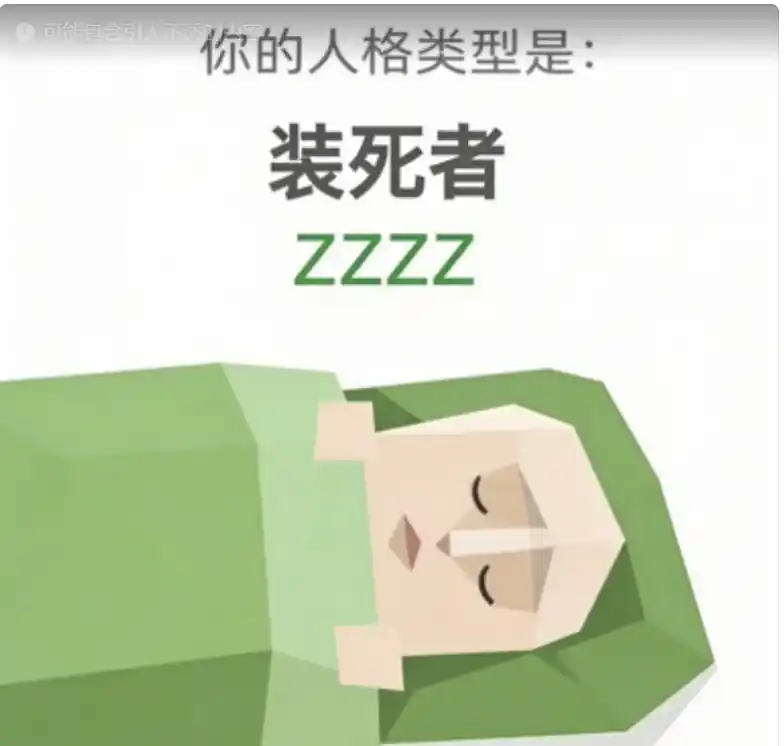
ZZZZ “The Lying-Flat One”01111easygoing; contentIf I lie flat enough, the scythe of hustle culture can’t reach me.Signature SymbolPillow; cloudAura ColorCloud WhiteSignature GemstonePearlSignature PlantLavenderThe Lying-Flat One is power-saving mode perfected. If sitting is possible, they will not stand. If lying down is possible, they will not sit. To them, the entire history of human evolution has basically been one long search for a more comfortable position. Their chill is not surrender. It is a philosophy.If you got this type, you are a master of resisting burnout. “Wake me when it matters” is not laziness. It is a soft strike against a world that keeps demanding more for no reason. Your ease is precious, and honestly, the era needs more of it.4343f0https://areal.me/sbti-test/show/18.png
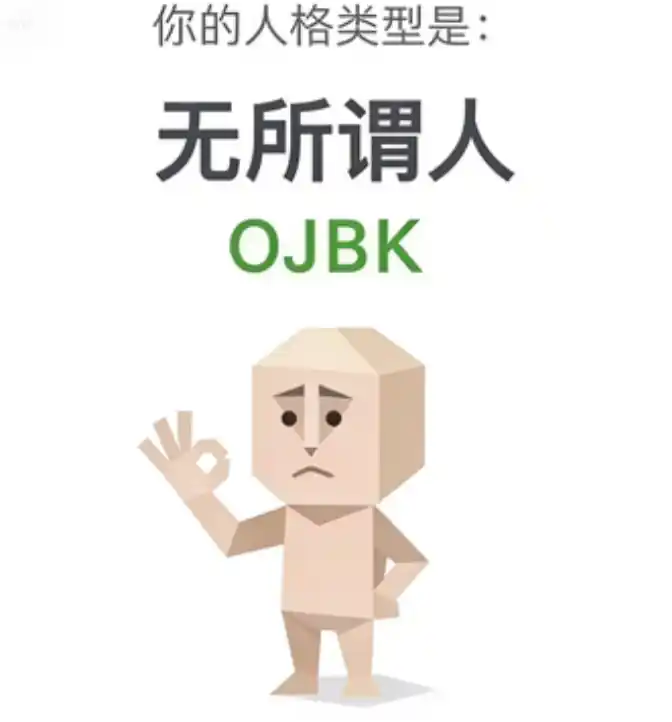
OJBK “The Whateverist”00011laid-back; go-with-the-flowGot it. OK. Sure. Mm-hm. No problem.Signature SymbolSoda can; corkAura ColorLake GreenSignature GemstoneTurquoiseSignature PlantDaisyThe Whateverist is a top-level practitioner of the “it is what it is” school of life. When plans fall apart or life throws a slap, their response is usually some version of, “Alright then.” They are like a cork floating on water: not resisting the waves, but never really sinking either.If you got this type, you protect your emotional assets by refusing to over-grip. That is not passivity. It is flexibility. You understand that some battles are not worth the blood pressure, and that kind of inner looseness is deeply attractive.e28031https://areal.me/sbti-test/show/19.png
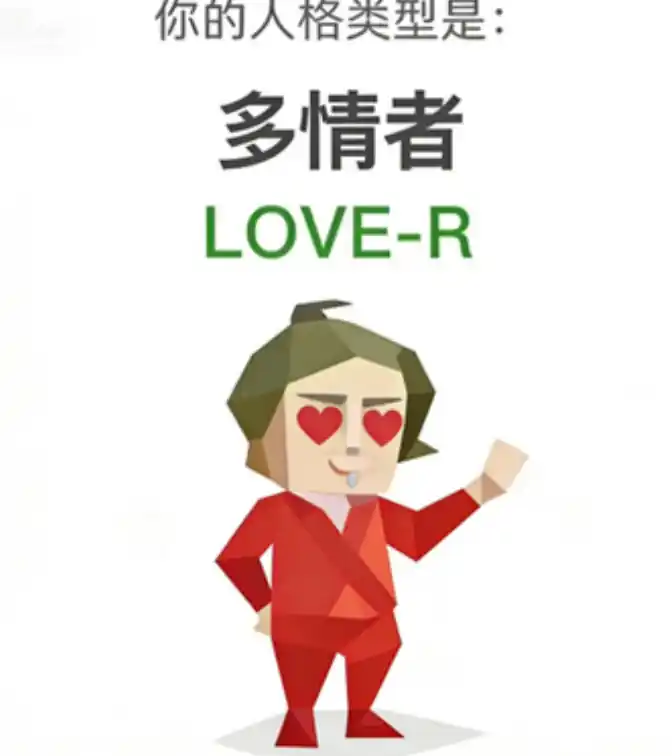
LOVE-R “The Hopeless Romantic”01100devoted; wholeheartedI love this! And this. And that. And that one too…Signature SymbolDonut; firelightAura ColorBarbie PinkSignature GemstoneRose QuartzSignature PlantTulipThe Hopeless Romantic treats emotion like a religion. Once they fall, the whole world switches to a pink filter and common sense gets escorted out of the room. They love like a moth hits flame: fully, irrationally, and with zero interest in calculating the return on investment.If you got this type, you are one of the last pure-love fighters left. In a world where everyone is terrified of caring too much, you still dare to give your whole heart. That does not make you foolish. It makes you gloriously alive.de5825https://areal.me/sbti-test/show/20.png
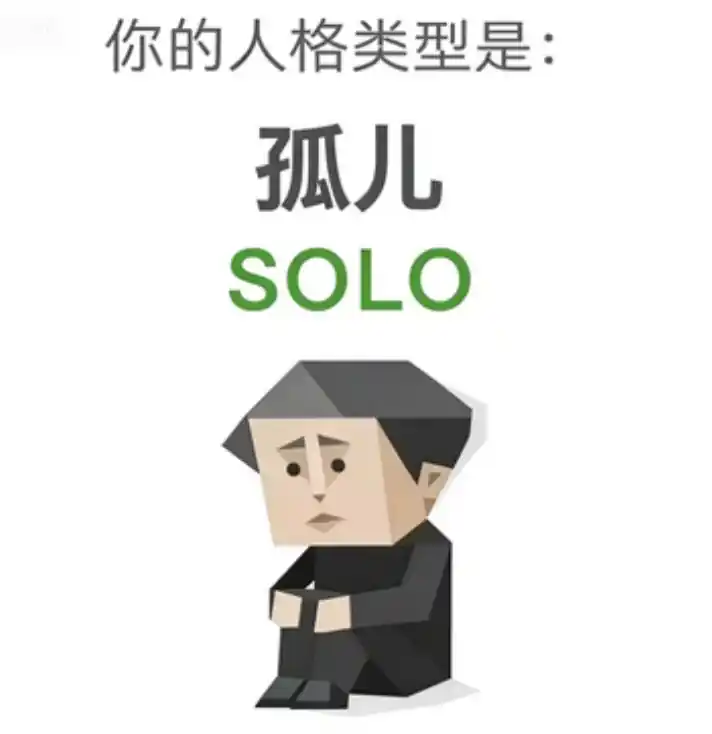
SOLO “The Lone Wolf”00111independent; solitaryI occasionally crave cuddles. I consistently enjoy Do Not Disturb.Signature SymbolRadio; isolated islandAura ColorInk Jade GreenSignature GemstoneEmeraldSignature PlantFoxtail LilyThe Lone Wolf rules a private island of one. Eating alone, seeing a movie alone, or disappearing for a while does not feel sad to them. It feels luxurious. Empty social rituals drain them, while solitude charges their entire inner world.If you got this type, your interior life is richer than most people’s full social calendar. You are not antisocial. You just know the difference between low-quality noise and high-quality aloneness. Your solitude is not a problem to fix. It is a standard.b2b629https://areal.me/sbti-test/show/21.png
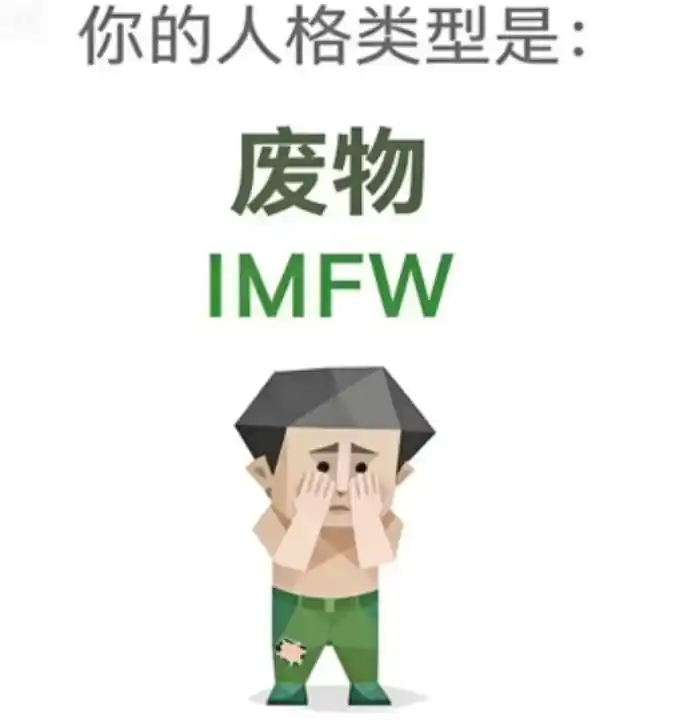
IMFW “The Self-Roaster”01010humorous; composedI roasted myself first, so all you can do now is hit like. That’s called moving early.Signature SymbolDark chocolate; mirror imageAura ColorCoffee BrownSignature GemstoneTiger’s EyeSignature PlantCoffee BlossomThe Self-Roaster turns humor into armor. Before anyone else can point out the flaw, they have already turned it into a joke and beaten everyone to the punch. When embarrassment hits, they somehow find the funniest possible angle and flip face-planting into performance art.If you got this type, you have absurd emotional flexibility. Your self-deprecating humor is not self-hatred. It is grace under pressure. You face imperfection head-on, disarm awkwardness, and make things lighter for everyone around you. That is real social intelligence.cd7638https://areal.me/sbti-test/show/22.png
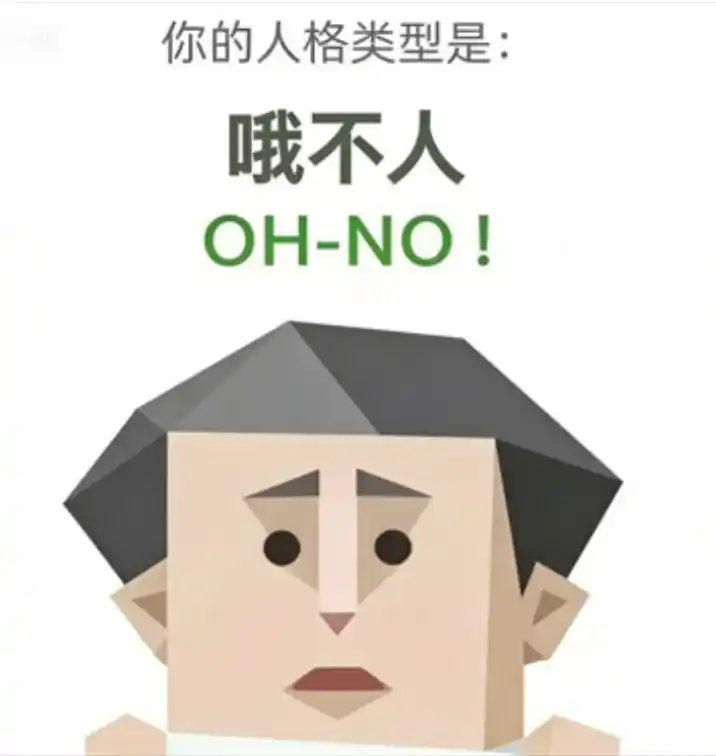
OH-NO “The Worst-Case Planner”11110cautious; preparedGo ahead and think positive. The bad outcome will come find you on its own.Signature SymbolUmbrella; anthillAura ColorLemon YellowSignature GemstoneAmberSignature PlantGinkgo LeafThe Worst-Case Planner is a professional lightning rod for disaster. Their brain runs a constant background app called “But What If.” They leave the house with an umbrella, keep the battery full, and rehearse backup plans nobody else even thought of. Anxiety, for them, is just preparedness in an ugly outfit.If you got this type, you are the person quietly saving the group from preventable chaos. Your overthinking often looks excessive from the outside, but it is also why you are so hard to truly catch off guard. Underneath it all is responsibility, foresight, and care.d04e43https://areal.me/sbti-test/show/23.png
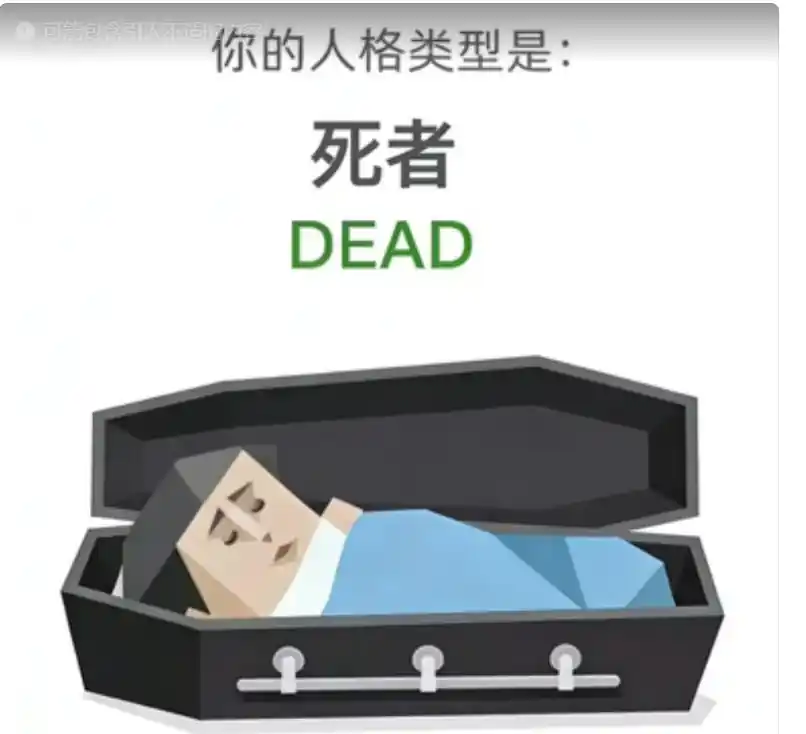
DEAD “Dead Inside”01110emotionally still; zen-likeMy spirit has already clocked out.Signature SymbolPower button; shipwreckAura ColorTaupeSignature GemstoneJetSignature PlantDried LotusDead Inside represents a level of inner detachment that almost feels monk-like. Outside stimuli barely register anymore. Boss pep talks, trending topics, and emotional drama all hit a soul that has already switched to read-only mode. The body is still at the desk. The spirit is somewhere near Pluto.If you got this type, you have mastered a severe but effective form of self-protection. In an age that keeps demanding enthusiasm on command, you know how to unplug. That numbness is not always emptiness. Sometimes it is the last quiet room left.bfb127https://areal.me/sbti-test/show/24.png
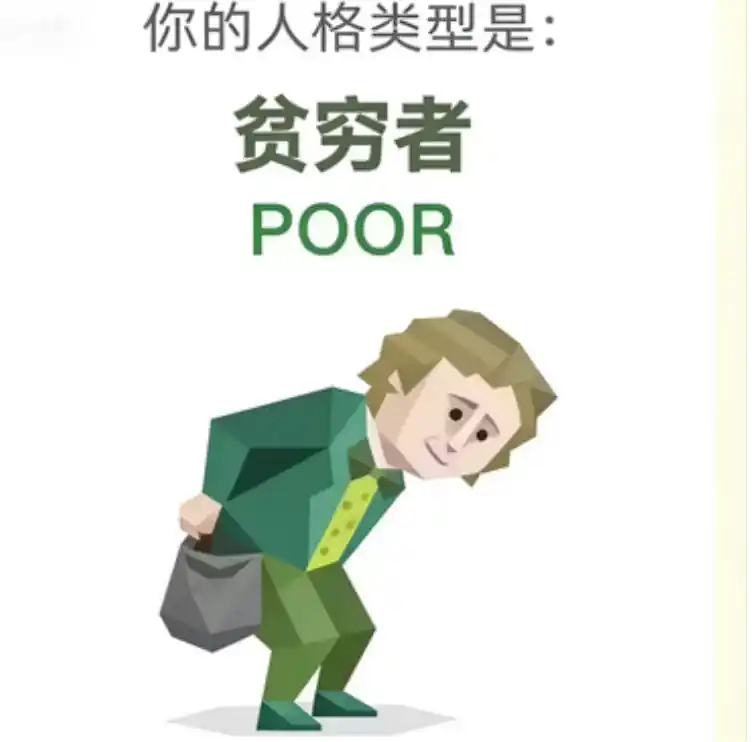
POOR “The Broke Dreamer”00001plainspoken; resilientBeing broke limits my buying power, but it does wonders for my imagination.Signature SymbolCanvas tote; booksAura ColorLinenSignature GemstoneLinen StoneSignature PlantBaby’s BreathThe Broke Dreamer is not necessarily poor in the strict sense. It is more a posture: strapped for cash, rich in spirit. They can thrift poetry from a sidewalk stall, turn a cheap rental into something cozy, and keep excellent taste without elite resources. Their aesthetic never collapses just because the budget does.If you got this type, you are proof that money cannot buy sensibility, romance, or depth. You know how to make little feel meaningful. There is something noble about that. Consumer culture looks embarrassingly shallow next to your imagination.1fb8c8https://areal.me/sbti-test/show/25.png
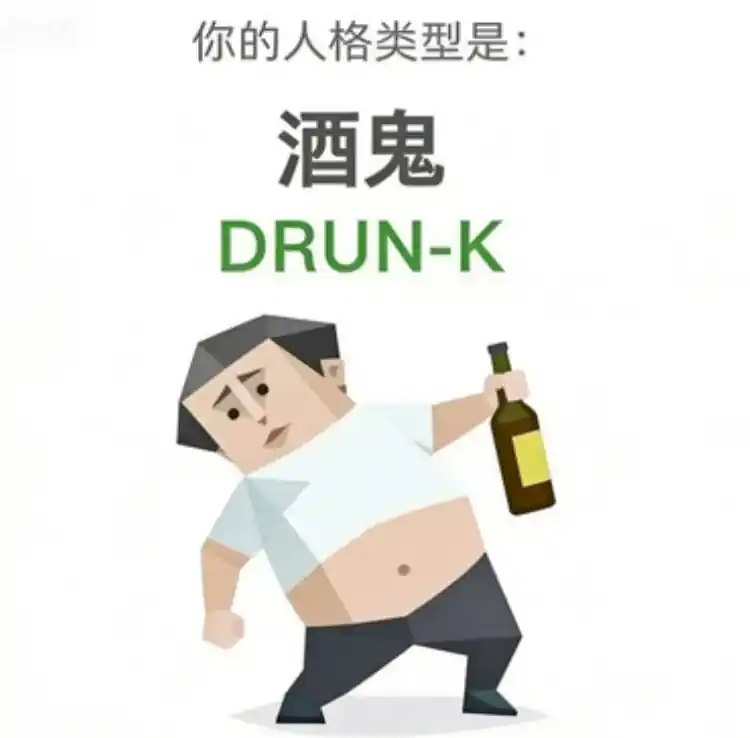
DRUNK “The Human Cocktail”10010uninhibited; pleasure-lovingIf everybody’s drunk, then so am I. Long live the buzz.Signature SymbolGlass orb; bubblesAura ColorGrape PurpleSignature GemstoneAmethystSignature PlantSpider FlowerThe Human Cocktail is devoted to the soft blur of the slightly tipsy life. The sober world feels too sharp, too hard, too unforgiving. Under neon lights and over a glass, they recover a version of themselves that feels looser, warmer, and easier to breathe inside. For them, alcohol is less about chaos than temporary emotional jailbreak.If you got this type, you are a poetic soul looking for softness in a harsh world. That little buzz is not just escape. It is your way of sanding down reality’s rough edges for a while. Beneath it is romance, longing, and a real hunger for freedom.d4704dhttps://areal.me/sbti-test/show/26.png
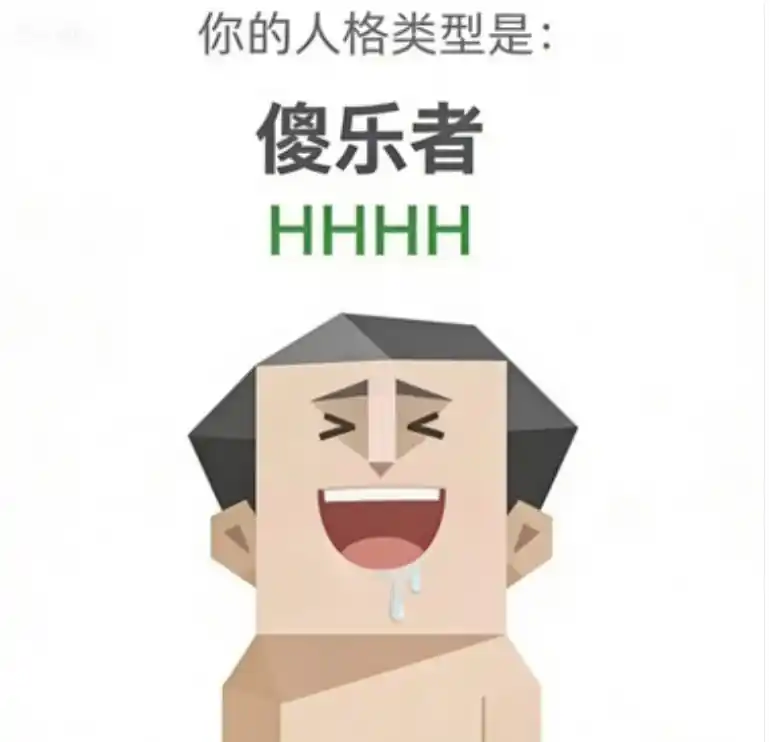
HHHH “The Laugh Machine”10111cheerful; energeticHAHAHAHAHAHAHAHAHAHAHAHAHA!Signature SymbolSunflower; fireworksAura ColorBright YellowSignature GemstoneTopazSignature PlantPoppyThe Laugh Machine is a perpetual-motion engine powered by joy, awkwardness, and sheer refusal to stay gloomy. Their laugh threshold is low, their “haha” is both greeting and goodbye, and sometimes the laughter is also a little shield against whatever hurts. They radiate heat the way sunflowers hold light.If you got this type, you are a necessary small sun in a dull world. People assume you have no troubles because you laugh so easily. Really, laughter is how you negotiate with life without letting it harden you. That is its own kind of magic.c74c65https://areal.me/sbti-test/show/27.png
YYSY “The Fair-Minded One”11011fair-minded; evidence-basedTo be fair, I’m just a bystander… but here’s what I think.Signature SymbolTape measure; eraserAura ColorIvory WhiteSignature GemstoneClear QuartzSignature PlantSnow LotusThe Fair-Minded One is the logic referee nobody asked for but everybody secretly needs. They dislike tribalism, emotional pile-ons, and arguments with no facts in them. When controversy starts flying, they show up with a ruler, a calm tone, and an almost annoying devotion to context.If you got this type, you are a truth-seeker in an era obsessed with taking sides. Your insistence on evidence can make you seem cold, but it also keeps whole groups from drifting into nonsense. The world needs people who care whether something is actually true.d96d1chttps://areal.me/sbti-test/show/28.png
YYGQ “The Master of Sarcasm”11000sharp-tongued; incisiveNo way, no way — you don’t seriously think I was complimenting you, right?Signature SymbolFan; silkAura ColorOrchid PurpleSignature GemstoneLepidoliteSignature PlantOrchidThe Master of Sarcasm does not need profanity to destroy a person’s confidence. Their specialty is elegant wording with critical-hit damage. Every sentence has a hidden blade in it, silk wrapped around a needle. They prefer wit over shouting and disdain over brute force.If you got this type, your speed of thought is part of the weapon. You see through pretense fast, and instead of getting messy, you make language do the work for you. In a world overflowing with bad taste, your sarcasm feels like art with teeth.d74240https://areal.me/sbti-test/show/29.png
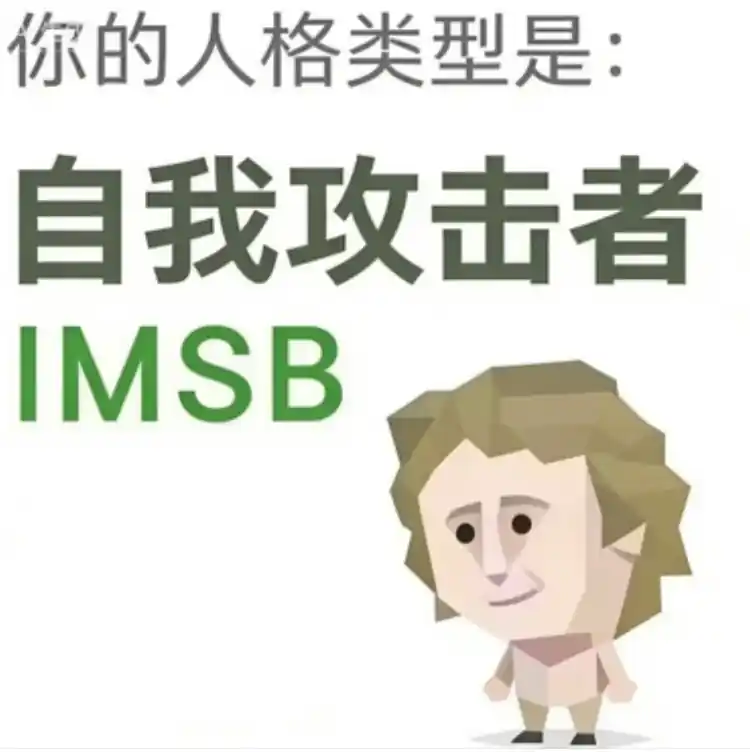
IMSB “The Innocent Fool”11101innocent; humbleThere’s light in my eyes — and also the exam notes I just memorized and the bill I still haven’t paid.Signature SymbolBalloon; marblesAura ColorSky BlueSignature GemstoneBlue AgateSignature PlantLily of the Valley“The Innocent Fool” is what pure-hearted transparency looks like. They are easy to read, easy to please, and often shockingly unguarded. It is not that they are actually stupid. It is that after seeing how complicated the world can be, they still choose to stay simple. That kind of openness is rarer than people think.If you got this type, your clarity is your charm. In an age where everyone seems to have eight hidden motives, your sincerity feels almost unreal. Never let the world bully you into becoming more cynical than your soul was meant to be.1c97c0https://areal.me/sbti-test/show/30.png
PTSD “The Hypervigilant One”00100cautious; detail-orientedYou stood up too fast and I thought you were about to collect my summer homework.Signature SymbolBandage; shellAura ColorForest GreenSignature GemstonePeridotSignature PlantMimosaThe Hypervigilant One is a defense specialist shaped by old weather. Once you have been rained on enough, every cloud starts to look dangerous. They are unusually sensitive to certain words, situations, and shifts in tone, and the second something feels off, they retreat into the shell.If you got this type, you are not weak. You are a gentle person who learned to survive by noticing everything. Those reflexes may feel exhausting, but they are also proof of endurance. Your caution is not just fear. It is hard-earned wisdom.d23f5chttps://areal.me/sbti-test/show/31.png
DOGE “The Doge Shield”00110careful; socially savvyI didn’t say that. My keyboard typed it by itself. doge holding a roseSignature SymbolKeyboard; amberAura ColorAmber GoldSignature GemstoneBeeswax AmberSignature PlantWater LilyThe Doge Shield is a Tai Chi master of modern social survival. After every hot take comes a carefully placed doge, joke marker, or meme shield. They know how vicious online and offline group dynamics can get, so they stay half-hidden behind humor, ready to attack or retreat without exposing too much.If you got this type, you understand the art of expression without self-destruction. You do not enjoy pointless conflict, and you know how to protect your peace without going silent. In a sharp-edged internet, your meme armor makes you weirdly graceful.d4991bhttps://areal.me/sbti-test/show/32.png
What Is the SBTI Test?
SBTI is an internet-style remix of MBTI. It is not a serious psychology tool or an academic personality test. It is a meme quiz built around jokes, self-roast culture, and exaggerated personality labels.
Unlike MBTI, which tries to describe people in a more structured way, SBTI focuses more on online vibe, chaotic energy, and the very specific mental states of modern internet users. Its labels are sharper, funnier, and much closer to meme culture than to psychology.
That is why many people see their result and instantly think, “This is so me,” or, “I know someone exactly like this.” SBTI is less about scientific accuracy and more about turning modern habits, moods, and social behavior into something recognizable and shareable.
More FAQs
Why did SBTI go viral?
SBTI spread because it was funny, easy to remember, and easy to share.
First, it borrowed the familiar MBTI format. People could understand the joke right away. It looked like a personality system, but a much more chaotic one.
Second, the name helped. On the Chinese internet, “SB” is a very recognizable insult, so “SBTI” already feels a little provocative before you even click it.
Third, the result labels were made for sharing. They felt more like social media self-roasts than neutral personality descriptions.
Its visual style also helped. The clean type-based layout and low-poly character style felt instantly familiar to people who had already seen popular online personality tests.
How did SBTI start spreading online?
One early version often linked to SBTI was connected to the Bilibili video BV1LpDHByET6. That page now shows the video is unavailable.
This likely explains why many SBTI pages online today do not fully match each other. A lot of them seem to be reposts, rewrites, or later spin-off versions rather than one single original source.
What is the difference between SBTI and MBTI?
MBTI tries to sort people into a structured system. SBTI is more like a parody of that idea.
Real people are messy, contradictory, and different in different situations. SBTI turns those messy states into exaggerated internet-style labels.
So MBTI is closer to a system of classification. SBTI is closer to a language of memes, self-roast, and online recognition.
How is this version related to the original?
This is not just a random copy of versions floating around online. It is an expanded edition based on the known 27-type original, developed here into a 32-type version.
It keeps the original spirit of SBTI while adding more variety and broader type coverage.
How should I read my SBTI result?
Do not treat it like a diagnosis. SBTI works best as a funny form of self-observation.
Your result may reflect real habits, moods, or social patterns, but it is still meant to be playful, exaggerated, and easy to share.
Why was the original version taken down?
The safest answer is that some original SBTI-related videos and entry points are no longer available, but there is no single clear and confirmed public explanation.
Most explanations online are still speculation.
SBTI Meme Guide
This table is written as a cultural guide for English-speaking readers. For the original Chinese meme-heavy types, the goal is not to translate every punchline word for word, but to explain what kind of person the joke is pointing at and why Chinese internet users find the label funny.
Type
Source
What the joke means
Sample image
CTRL (The Controller)
Original meme set
This is the person who treats chaos like a spreadsheet error. The Chinese vibe word behind it is 'na nie,' meaning having a perfect grip on a situation or even on other people's behavior, so CTRL reads like a human keyboard shortcut for saving, organizing, and force-restarting everybody else's life.
ATM-er (The Human ATM)
Original meme set
Not literally rich, just always paying. The joke is that some people keep 'paying' with money, time, attention, patience, and emotional labor until they become a walking cash machine for the entire friend group.
BOSS (The Boss)
Original meme set
The kind of person who grabs the wheel even when nobody asked. The humor comes from Chinese 'leader aura' culture: efficient, intimidating, slightly overpowered, and always one productivity binge away from running the whole room.
OH-NO (The Worst-Case Planner)
Original meme set
This is the person whose brain instantly simulates five disaster timelines from one badly placed glass of water. Funny because it turns anxiety into heroic competence: exhausting in theory, life-saving in practice.
GOGO (The Go-First Type)
Original meme set
Action before theory. This type reflects a very Chinese-internet joke about people who do not debate, philosophize, or optimize; they simply go, finish it, and somehow brute-force reality into submission.
SEXY (The Heartstopper)
Original meme set
This label is intentionally way too much. On Chinese social media, calling someone a 'walking hormone' means their presence feels like an event, not just that they are conventionally attractive.
LOVE-R (The Hopeless Romantic)
Original meme set
Less 'has a crush,' more 'turns one falling leaf into a 13-act romance.' The joke points to the kind of person whose feelings instantly repaint the whole universe.
MUM (The Mom Friend)
Original meme set
The universal mom-friend. In Chinese meme culture, 'mom' is not about age; it means the person who reminds everyone to eat, sleep, get home safe, and stop quietly self-destructing.
FAKE (The Social Android)
Original meme set
The Chinese term 'wei ren' literally means 'fake human' and gets used for someone so socially adaptive they seem manufactured. Think polished, pleasant, highly functional, and just a little uncanny.
OJBK (The Whateverist)
Original meme set
OJBK is a deliberately mangled online way of saying 'OK.' It carries a shrugging 'whatever, sure, fine by me' energy, so this type rules by radical nonchalance rather than strong opinions.
MALO (The Monkey-Gremlin)
Original meme set
'Ma lou' points to a scrappy monkey-like little guy and online it is often used half-affectionately, half-self-mockingly for a chaotic struggler. This type is the cheerful gremlin who thinks civilization is overrated and ceilings mostly exist to hang from.
JOKE-R (The Clown)
Original meme set
The designated atmosphere saver. The Chinese joke here is that the funniest person in the room is often also hiding the most feelings, so the clown costume works as both performance and armor.
WOC! (The OMG-WTF Reactor)
Original meme set
WOC comes from 'wo cao,' one of Chinese internet's all-purpose shock exclamations, somewhere between 'whoa,' 'holy crap,' and 'what the hell.' This type reacts loudly on the surface but stays oddly clear-eyed underneath.
THIN-K (The Thinker)
Original meme set
The spelling joke makes 'think' look more technical, almost like a model number. It fits the type: the person who treats every claim like it needs evidence, subtext, bias checks, and three footnotes before acceptance.
SHIT (The Bitter Fixer)
Original meme set
This type complains like the world is collapsing, then quietly fixes the spreadsheet at 2 a.m. The humor is in the contradiction: maximum disgust, maximum competence.
ZZZZ (The Deadline Zombie)
Original meme set
Named like cartoon sleeping text, but the Chinese archetype is closer to 'pretending to be dead' until the deadline hits. They ghost the group chat, then resurrect with a decent deliverable at the last possible minute.
POOR (The Tunnel-Vision Minimalist)
Original meme set
Not just financially poor. In Chinese meme language, this can mean ruthlessly concentrating limited resources on the one thing that matters and muting the rest of life.
MONK (The Boundary Sage)
Original meme set
The person who treats personal space like sacred land. Chinese internet loves using Buddhist imagery ironically, so this type sounds half spiritual master and half highly effective anti-disturbance system.
IMSB (The 'I'm SB' Type)
Original meme set
IMSB reads like 'I'm SB,' and SB on the Chinese internet is shorthand for 'sha bi,' a rude self-own meaning something like 'idiot' or 'dumbass.' So this type is the person who feels bold in theory, freezes in real life, and then immediately insults themselves for it.
SOLO (The Wounded Loner)
Original meme set
The original Chinese label literally says 'orphan,' but the meme meaning is emotional, not literal. It describes someone who expects abandonment, keeps people at arm's length, and survives by going emotionally solo before anyone else can leave first.
DEAD (Dead Inside)
Original meme set
Dead here means emotionally logged out. The joke is that desire itself has been archived, like a gamer who cleared every mode, restarted the file too many times, and discovered there is no loot worth chasing anymore.
IMFW (The Fragile Softie)
Original meme set
The Chinese label is 'fei wu,' literally 'trash' or 'useless person,' but online it is often used in a soft self-roasting way. This type is insecure, clingy, easy to reassure, and extremely capable of giving someone total puppy-eyed trust.
HHHH (The Laugh Loop)
Original meme set
In Chinese chat, a row of h's is a lazy keyboard way of typing laughter, like smashing out 'hahaha' without even trying. This type exists for brains too weird to sort cleanly, so the only official diagnosis is basically endless laughing.
DRUNK (The Liquor Soul)
Original meme set
An exaggerated ode to Chinese liquor culture: confident at the dinner table, philosophical at midnight, spiritually destroyed by late morning. The type stands for people who chase looseness, intensity, and emotional release.
ZQSG (from 'zhen qing shi gan')
New in the 32-type edition. Visible after completing this test.
NPC (The Background Character)
New in the 32-type edition. Visible after completing this test.
YYDS (literally 'Forever a God')
New in the 32-type edition. Visible after completing this test.
FREE (The Unbound One)
New in the 32-type edition. Visible after completing this test.
YYSY (from 'you yi shuo yi')
New in the 32-type edition. Visible after completing this test.
YYGQ (from 'yin yang guai qi')
New in the 32-type edition. Visible after completing this test.
PTSD (The Hypervigilant One)
New in the 32-type edition. Visible after completing this test.
DOGE (The Meme Shield)
New in the 32-type edition. Visible after completing this test.
 Spiritual Needs Quiz - Discover Your Soul’s Driving Forces Across 10 Core Dimensions